
Are you tired of relying on conventional medications that often come with unwanted side effects? Natural healing methods have been gaining popularity, and one ancient practice stands out: Ayurveda.
Ayurvedic remedies offer a holistic approach to health, focusing on balancing the body, mind, and spirit to prevent and treat common illnesses. By leveraging the power of nature, Ayurveda provides a gentle yet effective way to restore well-being.
This ancient Indian practice has been around for thousands of years, and its holistic health solutions are still relevant today. As we explore the world of Ayurvedic remedies, you’ll discover how these natural methods can be applied to everyday health concerns.
Key Takeaways
- Understanding the basics of Ayurvedic remedies
- Exploring natural healing methods for common illnesses
- Discovering holistic health solutions for overall well-being
- Learning how to apply Ayurvedic principles in daily life
- Finding alternative approaches to conventional medicine
Understanding the Foundations of Ayurveda
To grasp the essence of Ayurveda, it’s essential to explore its core principles and how they influence ayurvedic treatment options. Ayurveda is based on the concept that the mind, body, and spirit are interconnected, and maintaining balance among these elements is crucial for health.
The Three Doshas: Vata, Pitta, and Kapha
The three doshas are fundamental to understanding an individual’s constitution and how it affects their health. Vata, Pitta, and Kapha are the three energies that govern various bodily functions.
Identifying Your Dominant Dosha
Identifying one’s dominant dosha is crucial for tailoring ayurveda therapy for ailments. Each person has a unique balance of the three doshas.
How Doshas Influence Health and Illness
The doshas play a significant role in determining an individual’s susceptibility to certain health issues. Understanding this can help in preventing illnesses.
Ayurvedic Principles of Health and Disease
Ayurvedic principles emphasize the importance of balance in maintaining health. Two key concepts are Agni (digestive fire) and Ama (toxins).
The Concept of Agni (Digestive Fire)
Agni is crucial for digestion and overall health. A balanced Agni ensures proper nutrient absorption and elimination of waste.
Understanding Ama (Toxins) in the Body
Ama refers to undigested food particles that can accumulate in the body, leading to various health issues. Reducing Ama is essential for maintaining health.
Ayurvedic Remedies for Common Illnesses: A Comprehensive Guide
Ayurvedic medicine offers a natural and holistic approach to treating various health issues. This ancient practice views the individual as a whole, considering physical, mental, and spiritual aspects when addressing illnesses.
The Holistic Approach to Treating Illness
Ayurvedic treatments focus on restoring balance to the body and mind. This is achieved through a combination of dietary changes, herbal remedies, and lifestyle adjustments.
The holistic approach of Ayurveda is particularly beneficial for common illnesses such as colds, flu, digestive issues, and stress-related conditions. It not only alleviates symptoms but also works to prevent future occurrences by strengthening the body’s natural defenses.
Key Herbs and Ingredients in Ayurvedic Medicine
Ayurvedic medicine relies heavily on the use of herbs and natural ingredients. Some of the most commonly used herbs include:
- Turmeric: Known for its anti-inflammatory properties.
- Ginger: Used to aid digestion and reduce nausea.
- Triphala: A blend of three herbs that supports digestive health.
- Ashwagandha: An adaptogen that helps the body manage stress.
Turmeric, Ginger, and Other Healing Spices
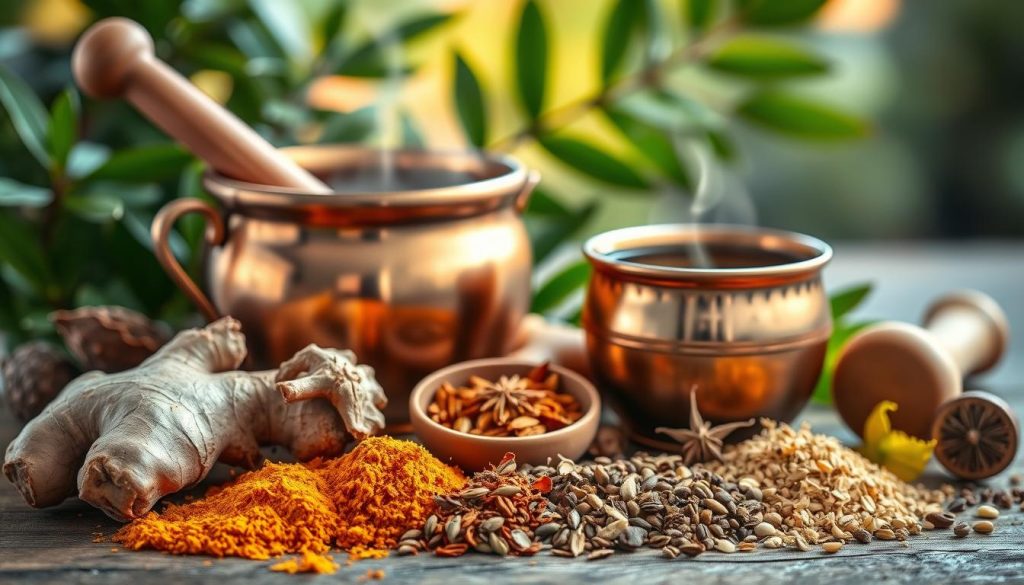
Turmeric and ginger are two of the most widely used spices in Ayurvedic medicine. Turmeric contains curcumin, a compound with potent anti-inflammatory and antioxidant properties. Ginger has been shown to aid digestion and alleviate nausea.
Medicinal Plants and Their Properties
Ayurvedic medicine utilizes a wide range of medicinal plants, each with specific properties. For example, Withania somnifera (Ashwagandha) is known for its adaptogenic properties, helping the body adapt to stress.

Understanding When to Use Ayurvedic Treatments
Ayurvedic treatments can be highly effective for a variety of common health issues. However, it’s essential to understand when to use these treatments. Ayurvedic remedies are particularly beneficial for chronic conditions, preventive care, and mild to moderate acute illnesses.
By integrating Ayurvedic practices into one’s lifestyle, individuals can enhance their overall health and well-being. It’s always recommended to consult with a qualified Ayurvedic practitioner to determine the most appropriate treatments for specific health concerns.
Treating Respiratory Conditions the Ayurvedic Way
Ayurvedic medicine offers a holistic approach to treating respiratory conditions, focusing on natural remedies and lifestyle changes. This ancient practice views respiratory health as closely linked to the balance of the body’s three doshas: Vata, Pitta, and Kapha.
Remedies for Colds and Flu
Ayurvedic remedies for colds and flu include the use of Tulsi (Holy Basil) tea, which is known for its antiviral properties. Tulsi tea can be made at home using fresh or dried Tulsi leaves.
Step-by-Step Guide to Making Tulsi Tea
To make Tulsi tea, steep 1 teaspoon of dried Tulsi leaves in 1 cup of boiling water for 5-7 minutes. Strain and drink hot, up to three times a day.
Herbal Steam Inhalation Techniques
Herbal steam inhalation is another effective remedy. Boil water with eucalyptus oil or menthol, then inhale the steam with a towel over your head to loosen mucus.
Addressing Allergies and Asthma
Ayurvedic treatments for allergies and asthma focus on reducing inflammation and improving lung function. Certain herbs like Turmeric and Ginger have anti-inflammatory properties that can help alleviate symptoms.
Preventative Herbs and Formulations
Herbs such as Licorice root and Haridra (Turmeric) are used in Ayurvedic formulations to prevent allergic reactions and asthma attacks.
Daily Practices for Respiratory Health
Daily practices like yoga and pranayama (breathing exercises) can help strengthen the lungs and improve overall respiratory health.
Herbs for Strengthening Respiratory Health
Certain herbs are known to strengthen respiratory health, including Vasaka (Adhatoda vasica) and Kantakari (Solanum xanthocarpum). These herbs can be consumed as teas or added to meals.
| Respiratory Condition | Ayurvedic Remedy | Benefit |
|---|---|---|
| Colds and Flu | Tulsi Tea | Antiviral properties |
| Allergies and Asthma | Turmeric and Ginger | Anti-inflammatory effects |
| Respiratory Strength | Vasaka and Kantakari | Improves lung function |
Digestive Health: Ayurvedic Solutions for Common Problems
Common digestive issues can significantly impact quality of life, but Ayurvedic remedies offer a natural path to relief. Digestive health is fundamental to overall well-being, and Ayurveda provides a comprehensive approach to addressing common problems.
Remedies for Indigestion and Bloating
Indigestion and bloating are common complaints that can be effectively managed with Ayurvedic remedies. Digestive teas and tonics are simple yet powerful tools.
Preparing Digestive Teas and Tonics
Digestive teas can be made from herbs like ginger, peppermint, and fennel. These ingredients help soothe the digestive tract and reduce discomfort.
Dietary Adjustments for Better Digestion
Making dietary adjustments is crucial. Avoiding foods that are difficult to digest and incorporating foods that are easy on the stomach can significantly improve digestive health.
Treating Constipation and Diarrhea
Ayurvedic medicine offers effective treatments for both constipation and diarrhea. Herbal formulations play a key role in regulating bowel movements.
Herbal Formulations for Regularity
Herbs like triphala are renowned for their ability to promote regularity and balance in the digestive system.
When to Seek Professional Help
While Ayurvedic remedies can be very effective, it’s essential to know when to seek professional help. Persistent or severe symptoms require consultation with a healthcare professional.
Balancing Digestive Fire (Agni)
Balancing Agni, or digestive fire, is central to Ayurvedic digestive health. Proper digestion is key to overall health.
The Role of Spices in Digestion
Spices like cumin, coriander, and turmeric enhance digestion and are integral to Ayurvedic cooking.
Meal Timing and Food Combinations
Paying attention to meal timing and food combinations can also improve digestion. Eating at regular times and avoiding incompatible food combinations are recommended.
Ayurvedic Approaches to Pain Management
Ayurvedic medicine offers a comprehensive approach to pain relief by addressing the root causes of discomfort. This ancient practice views pain as a symptom of an underlying imbalance in the body, which can be restored through natural therapies and lifestyle adjustments.
Natural Remedies for Headaches and Migraines
Headaches and migraines can be debilitating, but Ayurveda provides several effective remedies. Herbal preparations and specific dietary changes can help alleviate these conditions.
Herbal Pastes and Applications
Applying herbal pastes to the forehead or temples can provide relief from headache pain. Ingredients like ginger and turmeric have anti-inflammatory properties that help soothe the pain.
Pressure Points and Massage Techniques
Massaging specific pressure points on the body can also help relieve headache and migraine pain. Techniques such as abhyanga (oil massage) are particularly beneficial.
Addressing Joint and Muscle Pain
Ayurvedic treatments for joint and muscle pain involve a combination of external applications and internal remedies. These methods aim to reduce inflammation and promote healing.
Oil Preparations for External Use
Topical application of certain oils, such as eucalyptus oil or wintergreen oil, can help reduce pain and inflammation in the joints and muscles.
Anti-inflammatory Herbs and Their Application
Herbs like boswellia and ashwagandha are known for their anti-inflammatory properties. Consuming these herbs in the form of capsules or powders can help alleviate joint and muscle pain.
Herbal Formulations for Chronic Pain
For chronic pain management, Ayurveda recommends long-term use of certain herbal supplements and lifestyle modifications to prevent pain recurrence.
Long-term Herbal Supplements
Supplements such as turmeric capsules and ashwagandha powders can be taken over a long period to help manage chronic pain.
Lifestyle Modifications for Pain Prevention
Making changes to daily routines, such as incorporating yoga and maintaining a balanced diet, can help prevent chronic pain.
Creating Your Home Ayurvedic Medicine Cabinet
Creating a home Ayurvedic medicine cabinet is a simple yet effective way to integrate traditional Indian remedies into your daily wellness routine. By stocking a few essential herbs and formulations, you can address common health issues naturally.
Essential Herbs and Spices
The foundation of an Ayurvedic medicine cabinet lies in its selection of herbs and spices. These ingredients are used to create various remedies tailored to individual needs.
Must-Have Ingredients and Their Uses
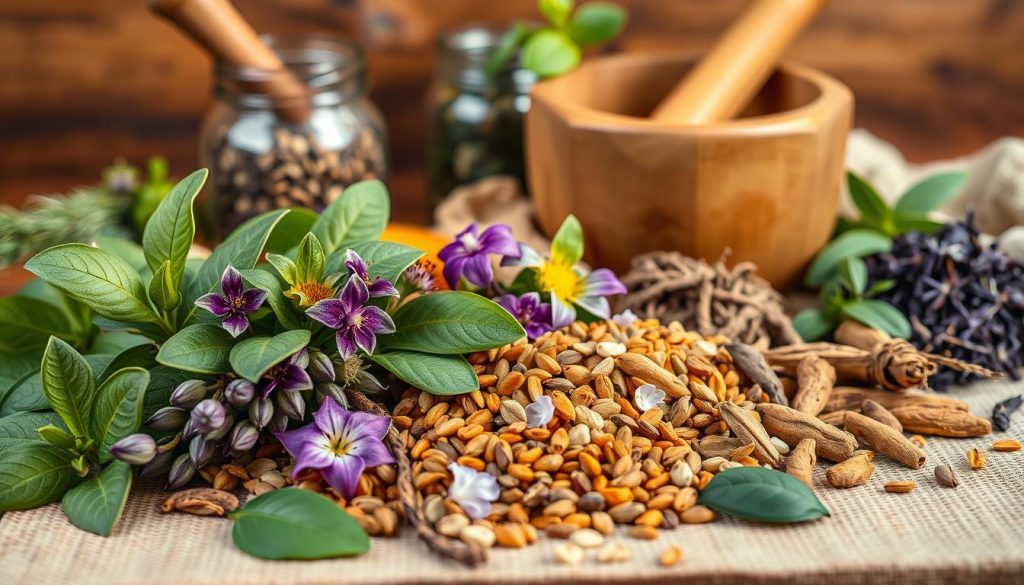
Some of the must-have ingredients include turmeric for its anti-inflammatory properties, ginger for digestive issues, and triphala for balancing the three doshas. These herbs can be used in various forms such as powders, teas, or decoctions.
Where to Source Quality Herbs
Quality herbs can be sourced from reputable Ayurvedic stores or online retailers. It’s essential to choose organic and sustainably sourced products to ensure efficacy and environmental responsibility.
Preparing Basic Ayurvedic Formulations
Ayurvedic formulations can be prepared in various forms to suit different needs. Understanding how to prepare these can enhance their effectiveness.
Making Herbal Oils and Ghees
Herbal oils and ghees are used for both internal and external applications. For example, brahmi oil is used for cognitive function, while medicated ghee can be used to nourish the body.
Creating Herbal Powders and Pastes
Herbal powders and pastes are versatile forms that can be used in cooking, as poultices, or as ingredients in more complex formulations. Triphala powder is a common ingredient used for digestive health.
Storage and Shelf Life of Remedies
Proper storage is crucial to maintaining the potency and safety of Ayurvedic remedies.
Proper Containers and Conditions
Remedies should be stored in airtight, non-reactive containers away from direct sunlight and moisture. Glass jars are ideal for storing powders and herbs.
Signs of Spoilage and When to Discard
Signs of spoilage include changes in color, smell, or texture. Remedies showing any of these signs should be discarded to avoid health risks.
| Herb/Remedy | Use | Storage Tip |
|---|---|---|
| Turmeric | Anti-inflammatory | Store in airtight container |
| Ginger | Digestive aid | Keep away from moisture |
| Triphala | Balances doshas | Protect from light |
Conclusion: Integrating Ayurveda into Modern Healthcare
As we have explored throughout this article, Ayurvedic remedies offer a wealth of holistic health solutions for common illnesses. By understanding the foundations of Ayurveda and its approach to health and disease, individuals can tap into traditional medicine practices that have been refined over centuries.
The integration of Ayurveda into modern healthcare presents a promising opportunity for enhancing patient outcomes. Ayurvedic treatment options, such as herbal formulations and dietary regimens, can complement conventional treatments, providing a more comprehensive approach to health.
By embracing the principles of Ayurveda, healthcare providers can offer patients a more personalized and holistic approach to care. As the demand for integrative healthcare continues to grow, the role of Ayurveda is likely to become increasingly important.
Ultimately, the combination of traditional Ayurvedic practices with modern healthcare approaches has the potential to revolutionize the way we think about health and wellness, providing more effective and sustainable solutions for a wide range of health concerns.
FAQ
What are Ayurvedic remedies, and how do they work?
Ayurvedic remedies are natural healing methods derived from ancient Indian practices that aim to balance the body, mind, and spirit. They work by using herbs, spices, and other natural ingredients to restore equilibrium to the body’s three doshas: Vata, Pitta, and Kapha.
How do I identify my dominant dosha?
To identify your dominant dosha, you can consult with an Ayurvedic practitioner or take a dosha assessment quiz. Understanding your dosha helps you tailor your diet, lifestyle, and remedies to your individual needs.
What is the role of Agni in Ayurvedic medicine?
Agni, or digestive fire, plays a crucial role in Ayurvedic medicine as it is responsible for metabolizing food and absorbing nutrients. A strong Agni is essential for maintaining overall health and preventing disease.
Can Ayurvedic remedies be used alongside conventional medicine?
Yes, Ayurvedic remedies can be used alongside conventional medicine, but it’s essential to consult with a healthcare professional before combining treatments to avoid any potential interactions or side effects.
How do I prepare Tulsi tea for respiratory health?
To prepare Tulsi tea, steep fresh or dried Tulsi leaves in boiling water for 5-7 minutes. Strain and drink hot, or let it cool and drink as a refreshing tonic.
What are some common Ayurvedic herbs used for digestive health?
Common Ayurvedic herbs used for digestive health include ginger, turmeric, and triphala. These herbs help to soothe the digestive tract, reduce inflammation, and promote regular bowel movements.
How can I create my own Ayurvedic medicine cabinet at home?
To create your own Ayurvedic medicine cabinet, start by stocking essential herbs and spices, such as turmeric, ginger, and cinnamon. Learn to prepare basic Ayurvedic formulations like herbal teas, oils, and ghees, and store them properly to maintain their potency.
Are Ayurvedic remedies suitable for everyone, including children and pregnant women?
While Ayurvedic remedies can be beneficial for many people, it’s crucial to consult with a qualified Ayurvedic practitioner before using them, especially for children and pregnant women, as certain herbs and formulations may not be suitable for these groups.