Are you tired of feeling overwhelmed by stress and anxiety? In today’s fast-paced world, it’s easy to get caught up in the hustle and bustle of daily life. But what if you could find a natural way to calm your mind and soothe your body?
Ayurvedic herbs have been used for centuries to promote relaxation and reduce anxiety. These natural remedies offer a holistic approach to managing stress, without the need for harsh chemicals or pharmaceuticals. By incorporating these herbs into your daily routine, you can experience a sense of calm and well-being.
Key Takeaways
- Discover the calming properties of Ayurvedic herbs
- Learn how to use natural remedies to reduce stress and anxiety
- Explore the benefits of a holistic approach to mental health
- Find out how to incorporate Ayurvedic herbs into your daily routine
- Experience the sense of calm and well-being that comes with natural stress relief
Understanding Stress and Anxiety Through Ayurvedic Principles
In Ayurveda, stress and anxiety are not just modern maladies but symptoms of a deeper imbalance that can be addressed through natural remedies for anxiety and lifestyle changes. This ancient practice views health and wellness through the lens of balance and harmony among the body’s elements, mind, and spirit.
Ayurveda is founded on the concept of the three doshas: Vata, Pitta, and Kapha. These doshas represent different aspects of human physiology and are crucial in understanding an individual’s mental and physical characteristics.
The Three Doshas and Their Relationship to Mental Health
Each person has a unique constitution determined by the proportion of these three doshas. An imbalance in any of the doshas can lead to various health issues, including stress and anxiety.
- Vata: Associated with the elements of air and space, Vata types are often creative and active. An imbalance can lead to anxiety, fear, and restlessness.
- Pitta: Representing fire and water, Pitta individuals are typically intelligent and passionate. When imbalanced, Pitta can manifest as anger, frustration, and irritability.
- Kapha: Composed of earth and water, Kapha types are generally calm and stable. Imbalance can result in lethargy, attachment, and depression.
Understanding one’s doshic constitution is key to addressing stress and anxiety, as it allows for personalized stress management herbs and practices tailored to an individual’s specific needs.
Ayurvedic View of Stress as an Imbalance
Ayurveda views stress as a sign of imbalance in the body and mind, often resulting from factors such as poor diet, inadequate sleep, and excessive stressors. This imbalance can disrupt the normal functioning of the doshas, leading to various mental health issues.
“The mind and body are not separate entities but are interconnected, influencing each other’s state of being.”
By recognizing the signs of doshic imbalance and applying appropriate Ayurvedic remedies, including natural remedies for anxiety, individuals can restore balance and alleviate stress and anxiety.
Ayurvedic practices such as meditation, yoga, and the use of specific stress management herbs like Ashwagandha and Brahmi can help in calming the mind and restoring doshic balance.
The Science Behind Ayurvedic Herbs for Stress and Anxiety Relief
As the world grapples with rising stress and anxiety levels, the traditional wisdom of Ayurvedic herbs is being scrutinized through the lens of modern science. This scrutiny not only validates the ancient practices but also provides a deeper understanding of how these herbs work to alleviate stress and anxiety.
Ayurvedic herbs, particularly those classified as adaptogens, have been found to have a profound impact on the body’s nervous system. Adaptogenic herbs are known to help the body adapt to stress, promoting balance and resilience. The unique ability of these herbs to modulate the body’s stress response makes them valuable in managing anxiety.
How Adaptogenic Herbs Affect the Nervous System
Adaptogenic herbs influence the nervous system by regulating the body’s response to stress. They do this by affecting the hypothalamic-pituitary-adrenal (HPA) axis, which is crucial in the body’s response to stress.
“Adaptogens have been shown to reduce the secretion of stress hormones like cortisol, thereby mitigating the body’s stress response.”
The impact of adaptogenic herbs on the nervous system is multifaceted. They not only help in reducing stress and anxiety but also improve mental clarity and focus. This is particularly beneficial in today’s fast-paced world where mental fatigue is a common issue.
Research Supporting Traditional Ayurvedic Remedies
Numerous studies have been conducted to validate the efficacy of Ayurvedic herbs in managing stress and anxiety. For instance, Ashwagandha, a well-known adaptogen, has been shown in clinical trials to significantly reduce cortisol levels and anxiety. The scientific validation of such traditional remedies not only supports their use but also encourages further research into their potential benefits.
Research into Ayurvedic herbs is ongoing, with scientists exploring their mechanisms of action and potential therapeutic applications. As evidence mounts, the traditional wisdom of Ayurveda is being increasingly recognized by the global medical community.
Top Ayurvedic Herbs for Stress and Anxiety Relief
In the realm of Ayurveda, certain herbs stand out for their ability to combat stress and anxiety. These natural remedies have been used for centuries to promote mental well-being and balance.
Ashwagandha: The Premier Adaptogen
Ashwagandha is renowned for its adaptogenic properties, helping the body to adapt to stress and promoting overall resilience. It has been shown to reduce cortisol levels, thereby alleviating anxiety and stress.
How to Use Ashwagandha
Ashwagandha can be consumed in various forms, including capsules, powders, and teas. The recommended dosage varies, but typically, 300-500 mg of extract per day is considered effective.
“Ashwagandha has been a game-changer for my stress levels. I feel more balanced and calm.” – A satisfied user
Brahmi (Bacopa Monnieri): The Brain Tonic
Brahmi is known for enhancing cognitive function and reducing anxiety. It improves memory and has a calming effect on the nervous system.
Preparation Methods for Brahmi
Brahmi can be prepared as a tea by steeping the leaves in hot water or taken as a supplement in capsule form. It’s also used in traditional Ayurvedic preparations like Brahmi Ghrita.
- Brahmi Tea: Steep 1 teaspoon of dried Brahmi leaves in boiling water.
- Brahmi Capsules: Follow the recommended dosage on the label.
Holy Basil (Tulsi): Sacred Stress Reliever
Holy Basil, or Tulsi, is revered in Ayurveda for its stress-relieving properties. It helps to balance the body’s response to stress and promotes a sense of calm.
Daily Tulsi Consumption Guide
Tulsi can be consumed as a tea, added to food, or taken as a supplement. Drinking Tulsi tea daily can help reduce stress and improve overall well-being.
| Herb | Form | Dosage |
|---|---|---|
| Ashwagandha | Capsules/Powder | 300-500 mg/day |
| Brahmi | Tea/Capsules | 1 cup tea or as directed |
| Tulsi | Tea/Supplement | 1 cup tea daily |
Jatamansi and Shankhpushpi: Natural Tranquilizers
Jatamansi and Shankhpushpi are two herbs used in Ayurveda to promote relaxation and reduce anxiety. Jatamansi is known for its calming effects on the nervous system, while Shankhpushpi enhances cognitive function and memory.
Both herbs can be used in combination to enhance their benefits. They are typically consumed as teas or added to traditional Ayurvedic formulations.
Step-by-Step Guide to Preparing Ayurvedic Herbal Remedies
With the right guidance, you can easily prepare Ayurvedic herbal remedies at home to calm your mind and body. Ayurvedic herbal remedies have been used for centuries to promote overall well-being and alleviate stress and anxiety.
Creating Calming Herbal Teas and Infusions
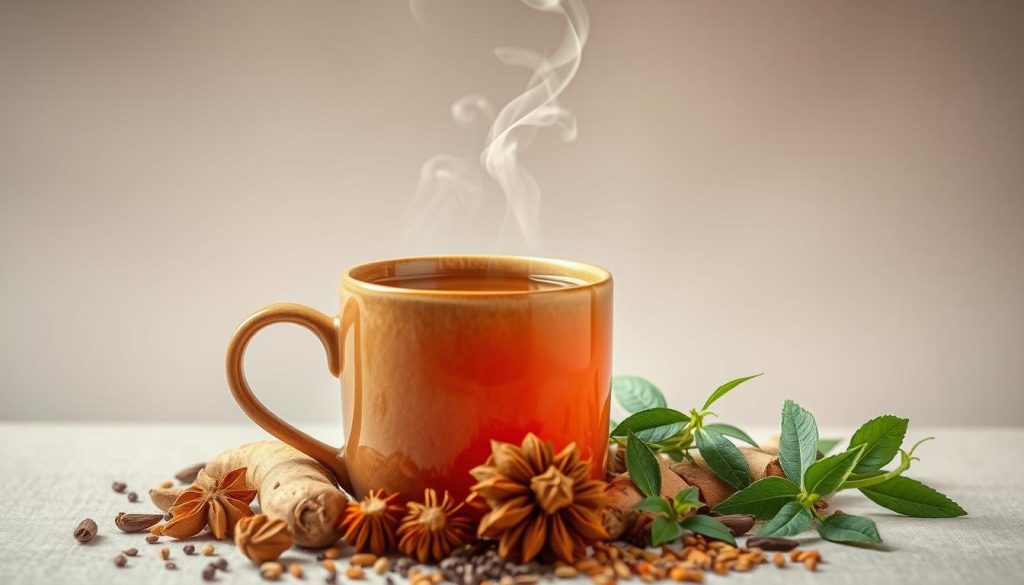
Herbal teas and infusions are a soothing way to incorporate herbs for calming the mind into your daily routine. To create a calming tea, you can use herbs like chamomile, lavender, or tulsi.
Basic Stress-Relief Tea Recipe
Here’s a simple recipe to get you started:
- 1 teaspoon of dried tulsi leaves
- 1 teaspoon of dried chamomile flowers
- 1 cup of boiling water
- Honey to taste (optional)
Combine the tulsi and chamomile in a tea infuser or directly in a cup. Pour in the boiling water and let it steep for 5-7 minutes. Strain and add honey if desired.
Making Herbal Powders (Churnas) at Home
Herbal powders, or churnas, are another effective way to utilize ayurvedic treatment for stress. You can mix these powders with water or milk to create a soothing drink.
Storage and Shelf Life Tips
To maintain the potency of your herbal powders, follow these storage tips:
- Store in airtight containers
- Keep away from direct sunlight and moisture
- Use within 6-12 months
By following these simple steps, you can create your own Ayurvedic herbal remedies at home, promoting a calmer and more balanced you.
How to Incorporate Ayurvedic Herbs Into Your Daily Routine
To reap the benefits of Ayurvedic herbs for stress and anxiety, it’s essential to integrate them into your daily life. Consistency is key when using natural remedies for anxiety.
Morning Rituals for Stress Prevention
Starting your day with Ayurvedic herbs can set a positive tone. Ashwagandha and Tulsi (Holy Basil) are excellent choices for morning consumption. You can make a calming tea by steeping these herbs in hot water or add them to your breakfast smoothie.
- Prepare a morning tea with Ashwagandha and Tulsi to boost your resilience to stress.
- Add a pinch of Triphala powder to your morning water for digestive health, which is closely linked to mental well-being.
Evening Practices for Better Sleep and Anxiety Reduction
Evening routines are crucial for unwinding and preparing the body for restful sleep. Brahmi (Bacopa Monnieri) and Jatamansi are herbs known for their calming effects.
- Consume a calming tea made with Brahmi and Jatamansi before bedtime.
- Practice gentle yoga or meditation alongside your herbal tea ritual to enhance relaxation.
Seasonal Adjustments to Your Herbal Regimen
Ayurvedic practice emphasizes adapting to seasonal changes. Your herbal regimen should adjust accordingly to maintain balance.
| Season | Recommended Herbs | Reason |
|---|---|---|
| Winter | Ashwagandha, Ginger | Boosts immunity and warmth |
| Summer | Tulsi, Brahmi | Helps in cooling and stress relief |
| Monsoon | Triphala, Guduchi | Supports digestion and immunity |
By incorporating these Ayurvedic herbs into your daily routine and adjusting them according to the season, you can effectively manage stress and anxiety. Remember, the key is consistency and being mindful of your body’s response to these natural remedies.
Powerful Ayurvedic Formulations for Chronic Anxiety
Managing chronic anxiety requires a comprehensive approach, and Ayurvedic formulations can play a crucial role. These traditional remedies have been used for centuries to address various health issues, including anxiety disorders.
Ayurvedic medicine views chronic anxiety as a sign of imbalance in the body’s doshas. By using specific herbal combinations, individuals can restore balance and alleviate symptoms.
Traditional Compound Remedies and Their Benefits
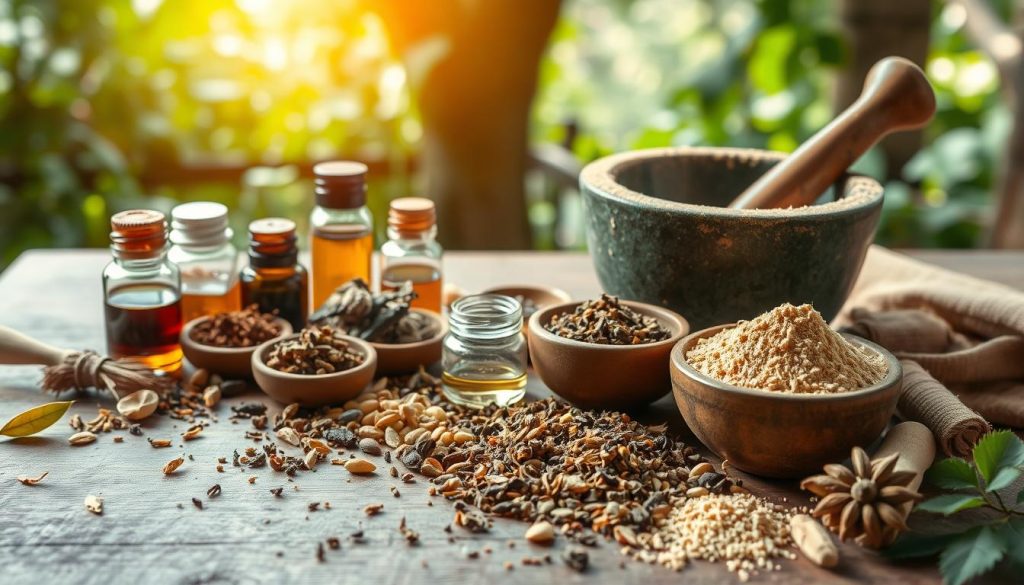
Ayurvedic compound remedies are designed to work synergistically, enhancing their overall effectiveness. For example, formulations that include Ashwagandha and Brahmi are known for their adaptogenic properties, helping the body adapt to stress and promoting relaxation.
“The use of Ayurvedic herbs in combination can lead to a more significant reduction in anxiety symptoms compared to using single herbs.”
Some of the key benefits of these traditional compound remedies include:
- Enhanced stress resilience
- Improved mood stability
- Better sleep quality
- Reduced symptoms of anxiety and depression
When to Use Specific Formulations Based on Symptoms
The choice of Ayurvedic formulation depends on the individual’s specific symptoms and constitution. For instance, if anxiety is accompanied by insomnia, formulations containing Jatamansi or Shankhpushpi may be recommended for their calming effects.
It’s essential to consult with a healthcare provider to determine the most suitable formulation based on individual needs. They can help identify the underlying imbalances and recommend the appropriate herbal supplements for stress relief.
By incorporating these powerful Ayurvedic formulations into a stress management plan, individuals can find effective relief from chronic anxiety and improve their overall well-being.
Safety Considerations and Potential Interactions
While Ayurvedic herbs offer a natural approach to managing stress and anxiety, it’s crucial to consider their safety and potential interactions. Ayurvedic medicine has been practiced for centuries, but its integration with modern healthcare requires careful consideration.
When to Consult with a Healthcare Provider
Before incorporating Ayurvedic herbs into your regimen, especially if you’re considering them for anxiety relief, it’s advisable to consult with a healthcare provider. This is particularly important for individuals with pre-existing health conditions or those taking prescription medications.
“The safety and efficacy of herbal remedies can be significantly influenced by individual health conditions and concurrent medications.”
A healthcare provider can offer guidance on potential interactions and help determine the most appropriate herbs and dosages for your specific needs.
| Health Condition | Potential Interaction | Recommendation |
|---|---|---|
| Diabetes | Blood sugar level alterations | Monitor blood sugar levels closely |
| Hypertension | Potential blood pressure changes | Regular blood pressure monitoring |
Possible Side Effects and Contraindications
While generally considered safe, Ayurvedic herbs can cause side effects or interact with other medications. For instance, Ashwagandha, a popular adaptogen, may cause stomach upset in some individuals.
- Common side effects: gastrointestinal issues, allergic reactions
- Contraindications: pregnancy, breastfeeding, certain surgical procedures
It’s essential to be aware of these potential side effects and contraindications to ensure safe use. Always follow recommended dosages and be cautious when combining herbs with other treatments.
Conclusion: Embracing Natural Ayurvedic Solutions for Modern Stress
Ayurvedic herbs offer a natural and holistic approach to managing stress and anxiety. By understanding the principles behind these herbs and incorporating them into daily life, individuals can promote mental well-being and reduce the negative impacts of modern stress.
Herbs like Ashwagandha, Brahmi, and Holy Basil have been shown to be effective in calming the mind and promoting relaxation. These holistic remedies for anxiety can be easily integrated into daily routines, providing a sense of calm and well-being.
Using herbs for calming the mind is not just about finding temporary relief; it’s about adopting a long-term approach to health that addresses the root causes of stress and anxiety. By making informed choices about the herbs and formulations used, individuals can take control of their mental health and cultivate a more balanced lifestyle.
As we continue to navigate the challenges of modern life, embracing natural Ayurvedic solutions can be a powerful step towards achieving a more peaceful and resilient state of mind. Explore the world of Ayurvedic herbs and discover the benefits of these ancient remedies for yourself.
FAQ
What are the best Ayurvedic herbs for stress and anxiety relief?
Some of the most effective Ayurvedic herbs for stress and anxiety relief include Ashwagandha, Brahmi, Holy Basil, Jatamansi, and Shankhpushpi. These herbs are known for their adaptogenic and calming properties, which help to balance the body’s response to stress.
How do adaptogenic herbs like Ashwagandha work?
Adaptogenic herbs like Ashwagandha work by influencing the nervous system, helping to regulate the body’s stress response. They promote balance and resilience, enabling the body to adapt to stress more effectively.
Are Ayurvedic herbal remedies safe to use?
Generally, Ayurvedic herbal remedies are considered safe when used properly. However, it’s essential to consult with a healthcare provider before starting any new herbal regimen, especially if you have underlying health conditions or are taking medications.
How can I incorporate Ayurvedic herbs into my daily routine?
You can incorporate Ayurvedic herbs into your daily routine by consuming them as teas, infusions, or powders. Morning rituals, such as drinking a stress-relief tea, can help prevent stress, while evening practices, like consuming a calming herbal infusion, can promote better sleep.
Can Ayurvedic herbs be used in conjunction with conventional medications?
While Ayurvedic herbs can be beneficial, it’s crucial to consult with a healthcare provider before using them alongside conventional medications, as potential interactions may occur.
What are some common side effects of using Ayurvedic herbs for stress and anxiety relief?
While generally considered safe, some individuals may experience side effects such as digestive issues or allergic reactions when using Ayurvedic herbs. It’s essential to monitor your body’s response and adjust your usage accordingly.
How do I choose the right Ayurvedic formulation for chronic anxiety?
Choosing the right Ayurvedic formulation for chronic anxiety involves understanding your specific symptoms and consulting with a healthcare provider. Traditional compound remedies can be effective, but it’s essential to select the most suitable formulation based on your individual needs.
Are there any seasonal adjustments I should make to my Ayurvedic herbal regimen?
Yes, Ayurvedic principles suggest adjusting your herbal regimen according to seasonal changes. For example, you may need to consume more warming herbs during the winter months and cooling herbs during the summer.